
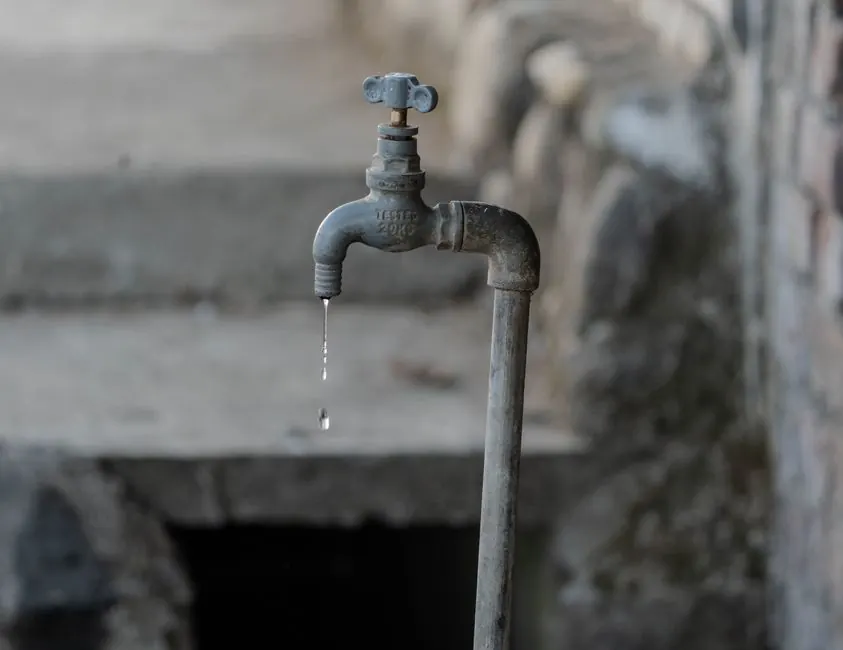
Water leak detection and repair is crucial for maintaining the integrity of your home in Fort Bliss. Identifying leaks early can save you from extensive damage and costly repairs later.
This article will cover effective methods for detecting and repairing water leaks, common causes, and when to seek professional help to ensure your home remains safe and dry.
What is water leak detection and repair?
Water leak detection and repair is the process of identifying and fixing leaks in plumbing systems, roofs, and other areas where water can infiltrate. This is essential for preventing water damage, mold growth, and structural issues.
Why is water leak detection important in Fort Bliss?
Water leak detection is particularly important in Fort Bliss due to the region's climate and common building practices. The hot summers and occasional heavy rains can exacerbate the effects of leaks, leading to significant damage if not addressed promptly.
How to detect water leaks in your home
Detecting water leaks early can prevent extensive damage. Here are some effective methods:
- Visual Inspection: Regularly check for signs of water damage, such as stains on walls or ceilings, damp spots, or mold growth.
- Meter Check: Monitor your water meter. If it continues to run when no water is being used, you likely have a leak.
- Sound Detection: Listen for unusual sounds like dripping or running water, especially in quiet areas of your home.
- Moisture Meters: Use a moisture meter to measure the moisture levels in walls and floors. High readings can indicate hidden leaks.
Common causes of water leaks
Understanding the common causes of water leaks can help you prevent them:
- Old or Damaged Pipes: Aging pipes can corrode or crack, leading to leaks.
- Improper Installation: Poorly installed plumbing fixtures can create weak points that are prone to leaking.
- Weather Effects: Extreme temperatures can cause pipes to expand and contract, increasing the risk of leaks.
- Clogged Drains: Blockages can lead to overflow and leaks, particularly in older homes.
Best practices for repairing water leaks
Once a leak is detected, prompt repair is essential. Here are best practices for repairing water leaks:
- Turn Off Water Supply: Before beginning repairs, shut off the water supply to prevent further damage.
- Assess the Damage: Determine the extent of the leak and the necessary repairs. Small leaks may only require sealing, while larger issues might need pipe replacement.
- Use Quality Materials: Always use high-quality materials for repairs to ensure longevity and effectiveness.
- Test for Leaks: After repairs, turn the water back on and monitor for any signs of leakage.
- Document Repairs: Keep records of repairs for future reference and potential insurance claims.
Common mistakes to avoid
Many homeowners make mistakes during the leak detection and repair process. Here are some to watch out for:
- Ignoring Small Leaks: Even small leaks can lead to significant damage over time.
- Using Temporary Fixes: Relying on temporary solutions can result in recurring issues.
- Neglecting Professional Help: Some leaks require professional intervention, especially if they are extensive or in hard-to-reach areas.
When to call a professional
Knowing when to call a professional can save you time and money. If you encounter persistent leaks, significant water damage, or if the leak is located in a difficult-to-reach area, it's advisable to contact a professional like Water Shield Restoration. Their expertise ensures that leaks are properly addressed, preventing further complications.
Frequently asked questions
1. How much does water leak detection cost in Fort Bliss? The cost for water leak detection services typically ranges from $100 to $500, depending on the complexity of the job.
2. What are the signs of a hidden leak? Signs of a hidden leak include unexpected increases in your water bill, damp spots on walls or ceilings, and the presence of mold.
3. Can I repair a leak myself? Minor leaks can often be repaired by homeowners, but significant leaks should be handled by professionals to prevent further damage.
4. How long does it take to repair a water leak? The time required to repair a water leak varies based on the severity but typically ranges from a few hours to a couple of days.
5. Are there preventative measures for leaks? Regular maintenance of your plumbing system, including inspections and timely repairs, can help prevent leaks.